

Solar Battery Safety in Australia: A Homeowner’s Essential Guide (2025)
- Jul 24, 2025
- 5 min read
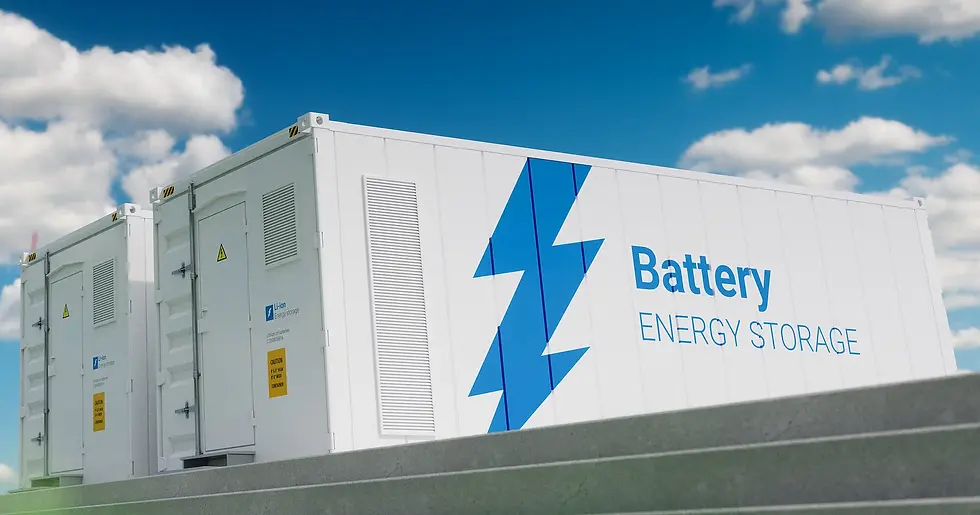
Installing a solar battery is one of the smartest moves for Australian homeowners in 2025, especially as the demand for energy independence and green living continues to rise. But along with the excitement of savings and sustainability comes a vital concern — safety.
Whether you're considering your first solar battery system or upgrading an existing setup, understanding solar batterysafety is crucial. This guide dives deep into safety protocols, common risks, and expert tips to help homeowners get the most from their solar and battery storage systems — without compromising on security.
Why Solar Battery Safety Matters in 2025
With over 3 million Australian homes now equipped with solar panels and tens of thousands adopting solar and battery storage each year, safe operation is more important than ever. While modern battery storage systems for solar are built to be durable and secure, improper installation or maintenance can lead to fires, leaks, or even explosions. Staying informed is your first line of defense.
1. Understanding How a Solar Battery System Works
Before diving into safety, it’s essential to grasp the basics of a solar battery system. These systems store excess energy generated by your solar panels during the day, allowing you to use it at night or during peak hours. Common types of solar batteries include:
Lithium-ion (most popular in Australia for home use)
Lead-acid (cheaper, but heavier and less efficient)
Flow batteries (used in larger commercial setups)
Each type has unique safety considerations, but lithium-ion remains the go-to for residential solar battery installations due to its efficiency and compact design.
2. Key Safety Risks Associated with Solar Batteries
No technology is without risk. Here are the primary safety concerns homeowners should be aware of:
Fire Hazards
While rare, lithium-ion solar batteries can overheat and catch fire, especially when poorly installed or damaged. This is often due to:
Overcharging
Thermal runaway
Short-circuits
Physical impact
Chemical Leaks
Lead-acid battery storage systems for solar can leak corrosive acids if not properly maintained, posing health risks and environmental hazards.
Electrical Shock
DIY installations without proper grounding or insulation can result in electric shocks, putting homeowners at serious risk.
Poor Ventilation
Batteries need appropriate airflow. Poorly ventilated areas can trap heat and gases, increasing fire and explosion risks.
3. How to Choose a Safe Solar Battery System
When selecting your solar and battery storage setup, prioritize safety features alongside performance and price.
Look for systems with:
Built-in Battery Management Systems (BMS): These regulate temperature, voltage, and current.
Compliance with Australian Safety Standards: Ensure your product meets AS/NZS 5139:2019, the mandatory standard for battery installations.
Manufacturer Warranties & Certifications: Reputable brands like Tesla, Sonnen, and LG provide robust safety documentation.
4. Safe Installation Practices for Solar and Battery Storage Systems
Installation is a critical phase that directly impacts long-term safety. Always:
Hire a Clean Energy Council (CEC)-accredited installer.
Ensure the battery is installed in a non-habitable, well-ventilated area.
Avoid placing batteries near flammable materials or high-traffic areas.
Use secure mounting brackets and protective casing.
Poor DIY jobs can nullify your warranty, violate insurance policies, and pose a safety hazard. Professional installation is a must.
5. Location Matters: Where to Install Your Solar Battery Safely
Ideal locations for battery storage systems for solar include:
Garage (non-living space)
Outdoor weatherproof enclosures
Dedicated battery rooms (compliant with AS/NZS 5139)
Avoid bedrooms, kitchens, or living rooms. Keeping batteries in a non-habitable space reduces health and fire risks.
6. Regular Maintenance to Ensure Long-Term Safety
A well-maintained solar battery is a safe one. Create a regular maintenance schedule that includes:
Visual inspections for leaks, swelling, or corrosion
Cleaning dust and debris from casings and vents
Checking firmware and performing software updates
Reviewing performance logs to catch anomalies
Many modern solar and battery storage systems offer mobile apps or dashboards to track performance in real-time.
7. Monitoring Systems: Your Silent Safety Partner
Modern solar battery systems come equipped with smart monitoring tools that alert you to any performance anomalies or safety risks. These systems help you:
Track energy flow
Detect overheating
Receive maintenance alerts
Auto shut-off in case of critical issues
Monitoring helps you stay ahead of potential problems before they become dangerous.
8. Emergency Preparedness for Solar Battery Owners
In the unlikely event of a solar battery malfunction, having an emergency plan is critical. Homeowners should:
Install smoke detectors and fire extinguishers near the battery
Know how to shut off the system safely
Contact your installer or manufacturer at the first sign of trouble
Avoid touching or tampering with a faulty battery
Quick action can prevent further damage or injury.
9. How to Recycle or Dispose of Solar Batteries Safely
When your solar battery system reaches end-of-life, don’t toss it in the bin. Improper disposal is not only unsafe but illegal.
Instead:
Return batteries to certified e-waste collection centers
Ask your installer about recycling programs
Use government-approved recycling services like Battery Stewardship Council Australia
Proper disposal protects the environment and reduces the risk of contamination or explosion.
10. The Future of Solar Battery Safety in Australia
By 2030, solar energy could power over 50% of Australian homes. As this transition accelerates, solar battery safety standards will only become more stringent.
Key future developments include:
Safer battery chemistries (e.g., solid-state batteries)
Better fire-resistant enclosures
More advanced AI monitoring systems
Blockchain-powered energy tracking
Staying updated on new technologies will help you future-proof your home’s solar and battery storage setup while maintaining top-tier safety.
Power Market’s Final Word: Go Solar, Go Safe
Choosing a solar battery system is an exciting leap toward energy independence, but safety should never be an afterthought. From installation to monitoring and disposal, every step must be taken with care.
At Power Market, we connect Aussie homeowners with the most trusted solar battery installers, ensuring all systems are compliant, efficient, and safe.
Ready to power your home safely?
Get a quote from Power Market today and find the safest, most cost-effective solar and battery storage solution for your needs. Visit Power Market or speak to a solar expert now!
Frequently Asked Questions ( FAQS )
1. Is it safe to have a solar battery installed in my home?
Yes, when installed by a licensed professional, a solar battery is very safe. Modern solar battery systems are designed with in-built safety features and monitoring technologies.
2. What are the common safety risks of a solar battery system?
Potential risks include overheating, fire hazards, chemical leaks, and electrical faults — especially if the battery storage system for solar is poorly installed or maintained.
3. How can I ensure my solar and battery storage system is compliant?
Make sure your system meets the AS/NZS 5139:2019 standard and is installed by a Clean Energy Council accredited technician.
4. Where should I install my solar battery for maximum safety?
Install your solar battery in a cool, dry, and well-ventilated non-living space like a garage or an outdoor weatherproof cabinet.
5. Can I install a solar battery system myself?
DIY installation is strongly discouraged due to fire and electrocution risks. Always use a professional for your solar battery system installation.
6. Do solar batteries pose a fire hazard?
While rare, lithium-ion solar batteries can overheat if damaged or overcharged. Fire risks are minimized with proper installation and ventilation.
7. How often should I inspect my solar battery?
Inspect your battery storage system for solar every 6–12 months. Look for signs of wear, leaks, swelling, or performance drops.
8. What safety features should a solar and battery storage system have?
Key safety features include a Battery Management System (BMS), overcharge protection, thermal regulation, and automatic shutoff during faults.
9. How do I safely dispose of a solar battery at the end of its life?
Take your old solar battery to a certified e-waste recycling center. Never place it in general waste due to chemical and fire risks.
10. Are all solar batteries in Australia regulated?
Yes. As of 2025, all residential solar battery systems must comply with strict national safety and performance standards.


Comments